
Mother and Child Health
at the Heart of Our Mission
A multidisciplinary approach to better understand health challenges and help improve carefor women, children, and families.





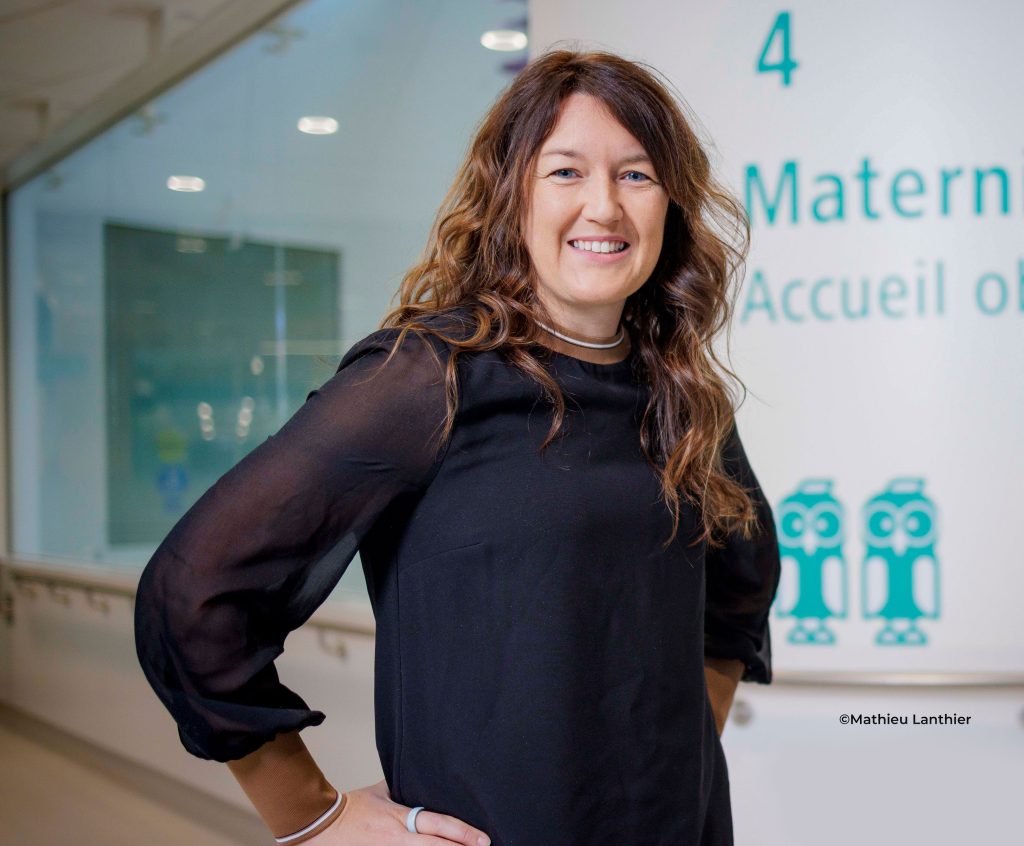
Valérie Véronneau
Principal donor to the Chair“Defining myself as a determined, authentic, and compassionate woman entrepreneur, I have made it my mission to inspire those around me to become the best versions of themselves. When Dr. Ouellet told me about her research in the high-risk pregnancy clinic at Santé Québec Estrie – Sherbrooke University Hospital Centre, focused on pregnant women and their babies, it resonated deeply with me, both through my personal experience as a mother and in my commitment to provide financial support for the Chair’s work on the health of women, their children, and their families, as well as to the development of future generations of researchers at the University of Sherbrooke. Through this Chair bearing my name, I am honored to contribute in a meaningful way to this collective effort to advance women’s health research, and I hope to encourage other donors to invest in the health and well-being of future generations as well.”
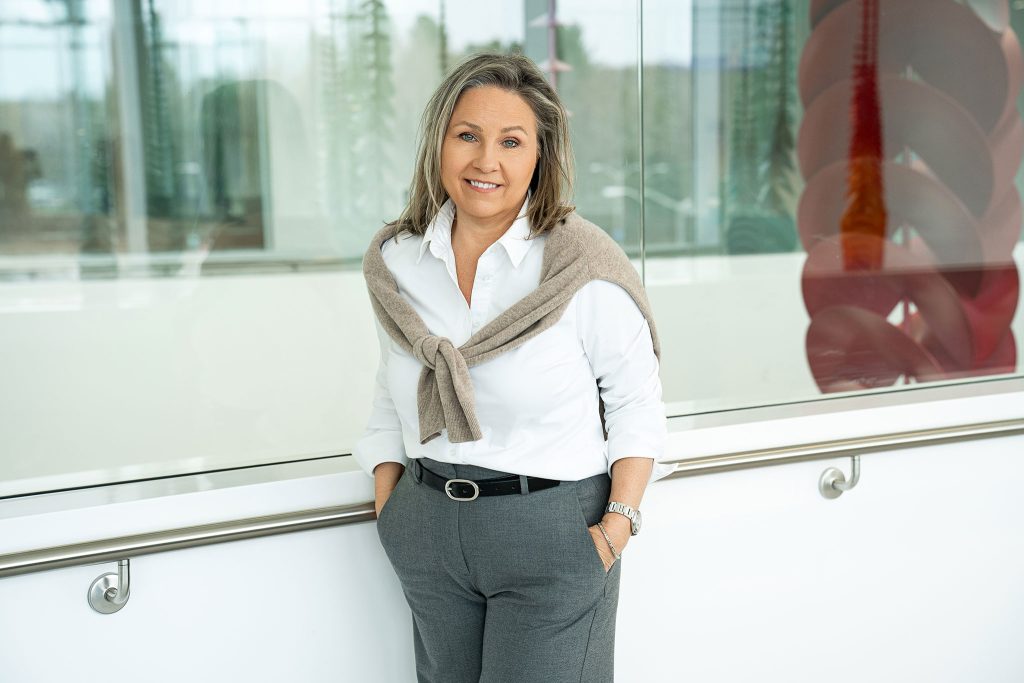
Dre Annie Ouellet
The first holder of the research ChairDre. Annie Ouellet has been an obstetrician-gynecologist specializing in Maternal-Fetal Medicine (MFM) at the Santé Québec Estrie – Sherbrooke University Hospital Centre since 2024 and is a full professor at the University of Sherbrooke. Recognized for her clinical and scientific leadership in perinatal research, her work focuses on integrating specialized tertiary care with translational clinical research, to improve maternal and fetal health over the long term.
She established the Maternal-Fetal Medicine Service at the Santé Québec Estrie – Sherbrooke University Hospital Centre and developed a multidisciplinary clinical platform integrating various areas of expertise, including endocrinology, internal medicine, genetics, obstetric ultrasound, and a dedicated sampling center dedicated to pregnant women. This unique infrastructure has enabled the development of large prospective birth cohorts, positioning the Université de Sherbrooke and the CHUS as leading centers for mother and child health research.
Deeply committed to knowledge translation and the advancement of clinical practice, Dr. Ouellet founded the Quebec Group of Specialists in Maternal-Fetal Medicine (MFMQ) and has held positions within provincial and national organizations. Since 2024, she has served as associate director of research in the Department of Obstetrics and Gynecology, where she supports the development of large-scale projects and the training of the next generation of researchers. Her commitment to education and pedagogical innovation has earned her several distinctions.
As one of the driving force behind the creation of the Valérie Véronneau Research Chair in Maternal-Fetal Medicine, together with several key partners, Dr. Ouellet promotes a collaborative research vision focused on training the researchers of tomorrow, grounded in clinical practice and aimed at better understanding the factors that influence maternal and child health, in order to improve health trajectories and advance care. The research program is structured around three complementary axes covering the entire perinatal continuum.
Supporting MFM Research
By supporting our research, you are directly contributing to the advancement of knowledge andhelping improve care for women, children, and families.
Research Areas and Innovations in Perinatal Health
Perinatal Exposures and Health Trajectories
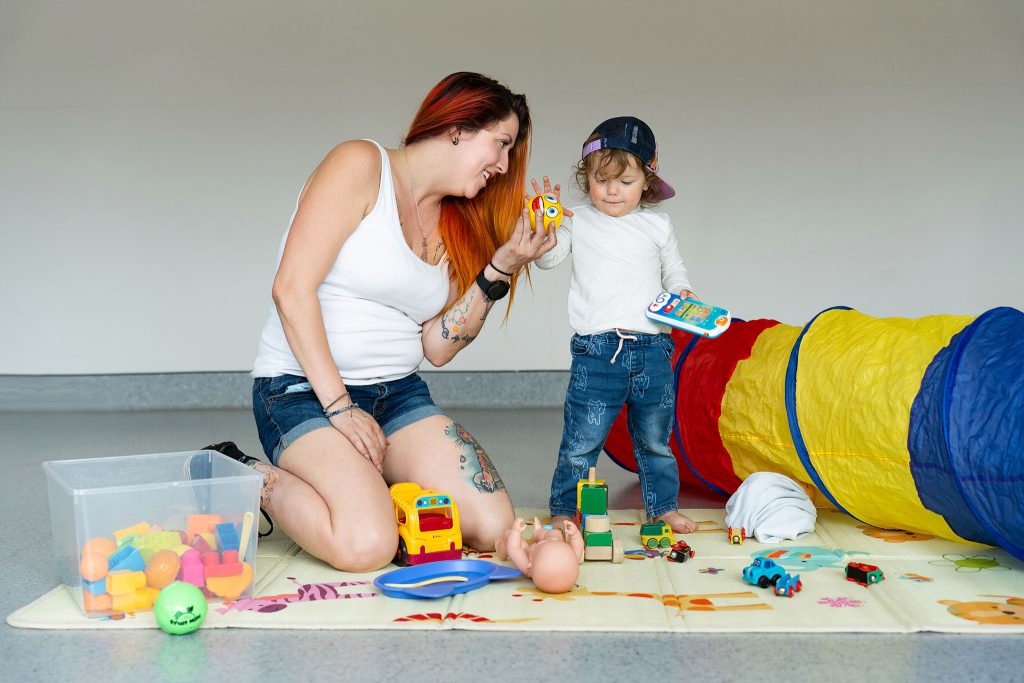
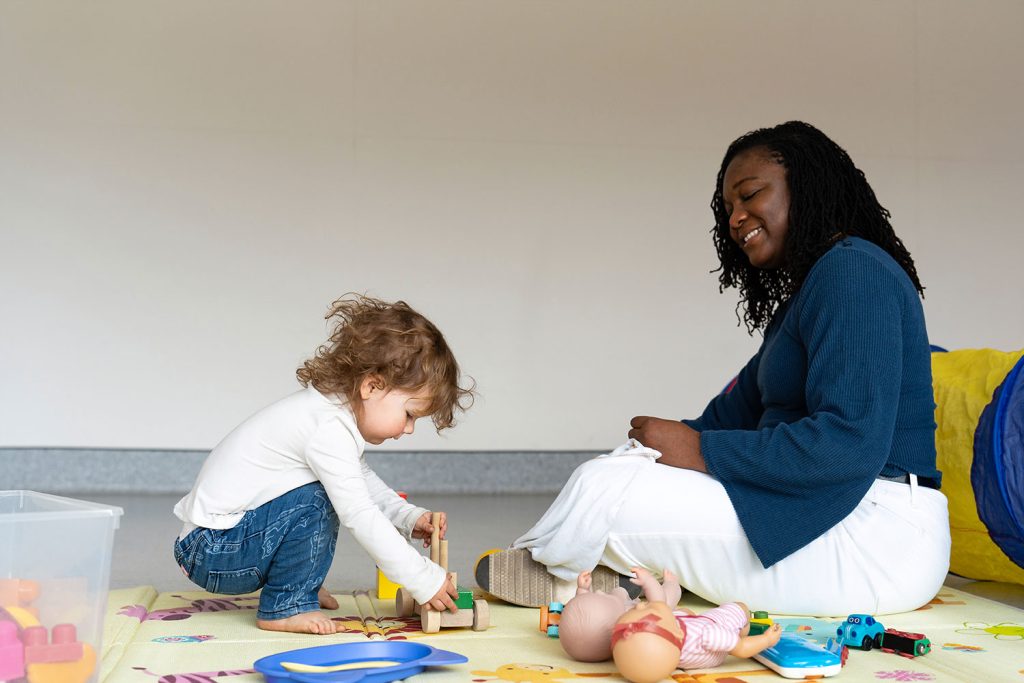
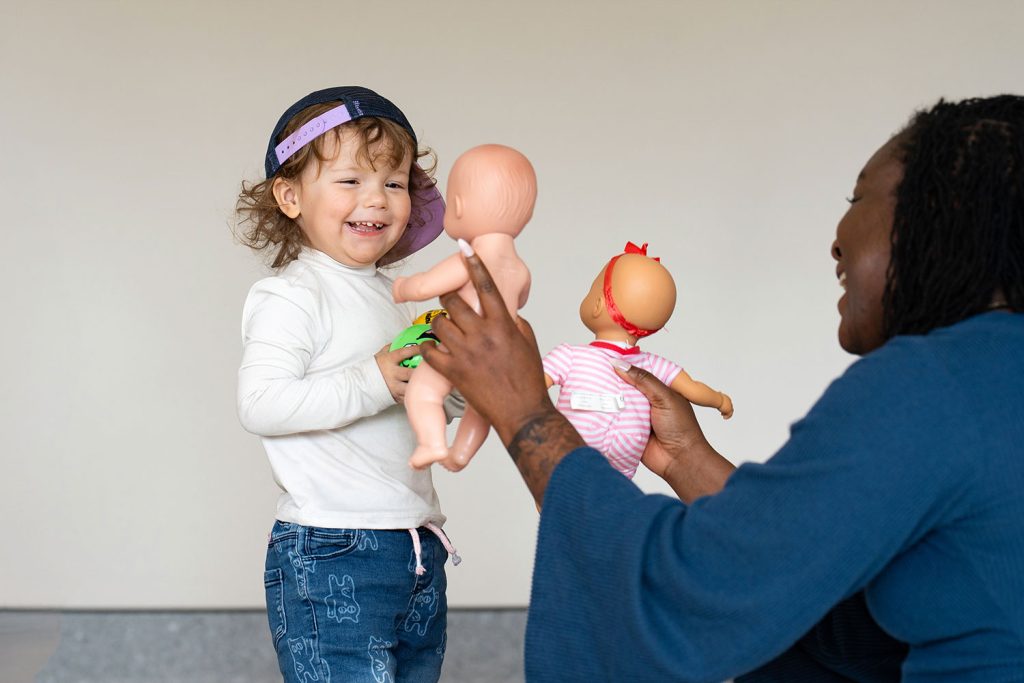
Ongoing studies examine the impact of prenatal and postnatal exposures (e.g., medical conditions, mental health, lifestyle habits, substance use) on pregnancy and child development. This research draws on longitudinal mother–child–family cohorts that allow researchers to follow these trajectories over time and better understand the interactions between biological, environmental, and family factors.
Imaging and Brain Health
Through innovative medical neuroimaging approaches, this research area investigates the effects of pregnancy and its complications on maternal brain health during the perinatal period, a time of increased vulnerability for the maternal brain due to significant hormonal and physiological changes. It also aims to better understand the impact of these factors and environmental exposures (e.g., cannabis) on the child’s brain development.
Telemedicine, Training, and Equity in Care
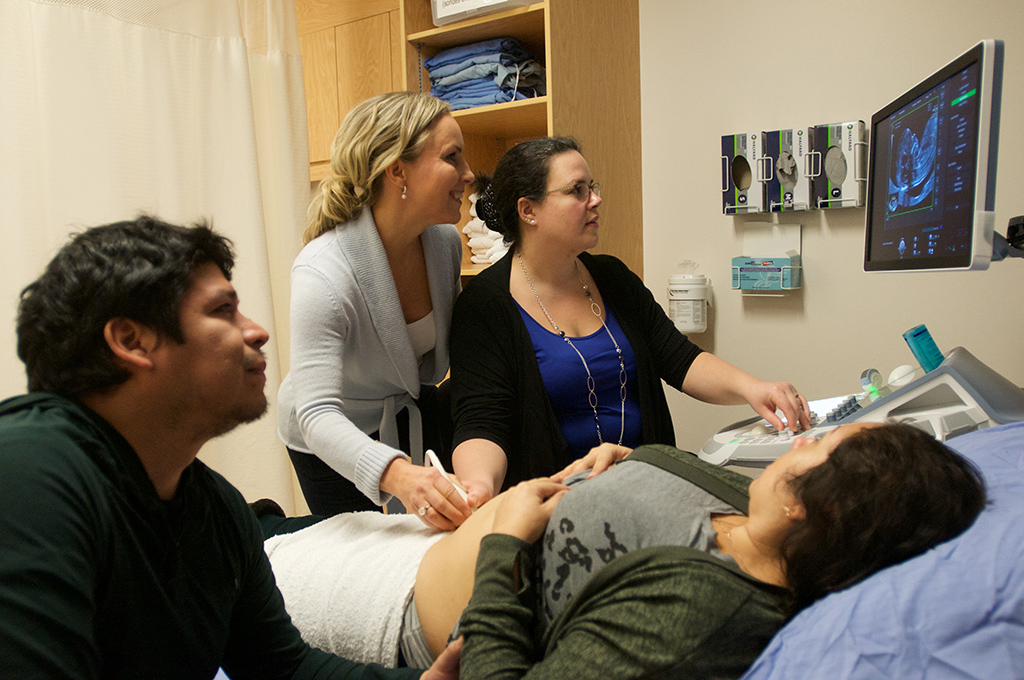
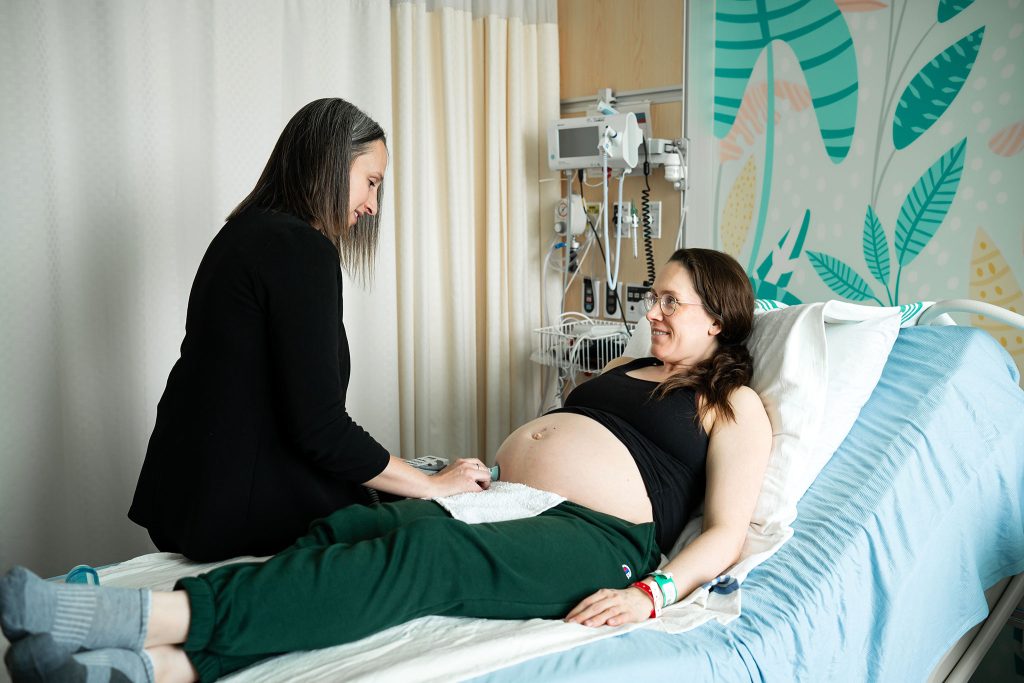
This research area aims to develop and evaluate innovative models of care, particularly through telemedicine and training in obstetric ultrasound. It contributes to improving access to specialized care, especially in rural and remote areas, while supporting the evolution of clinical practices.
The Chair contributes to the development of innovative models of care in maternal-fetal medicine, including telemedicine and obstetric ultrasound training to establish more effective and coordinated care pathways. These approaches promote better access to specialized MFM care and contribute to greater equity for women and their children, particularly in rural and remote areas.
At the heart of this mission, training the next generation of researchers (students, residents, and interns) and the rigorous and accessible dissemination of knowledge play a central role in supporting the evolution of clinical practices and improving maternal and child healthcare.

Our partners and funding agencies








Nos collaborateurs